


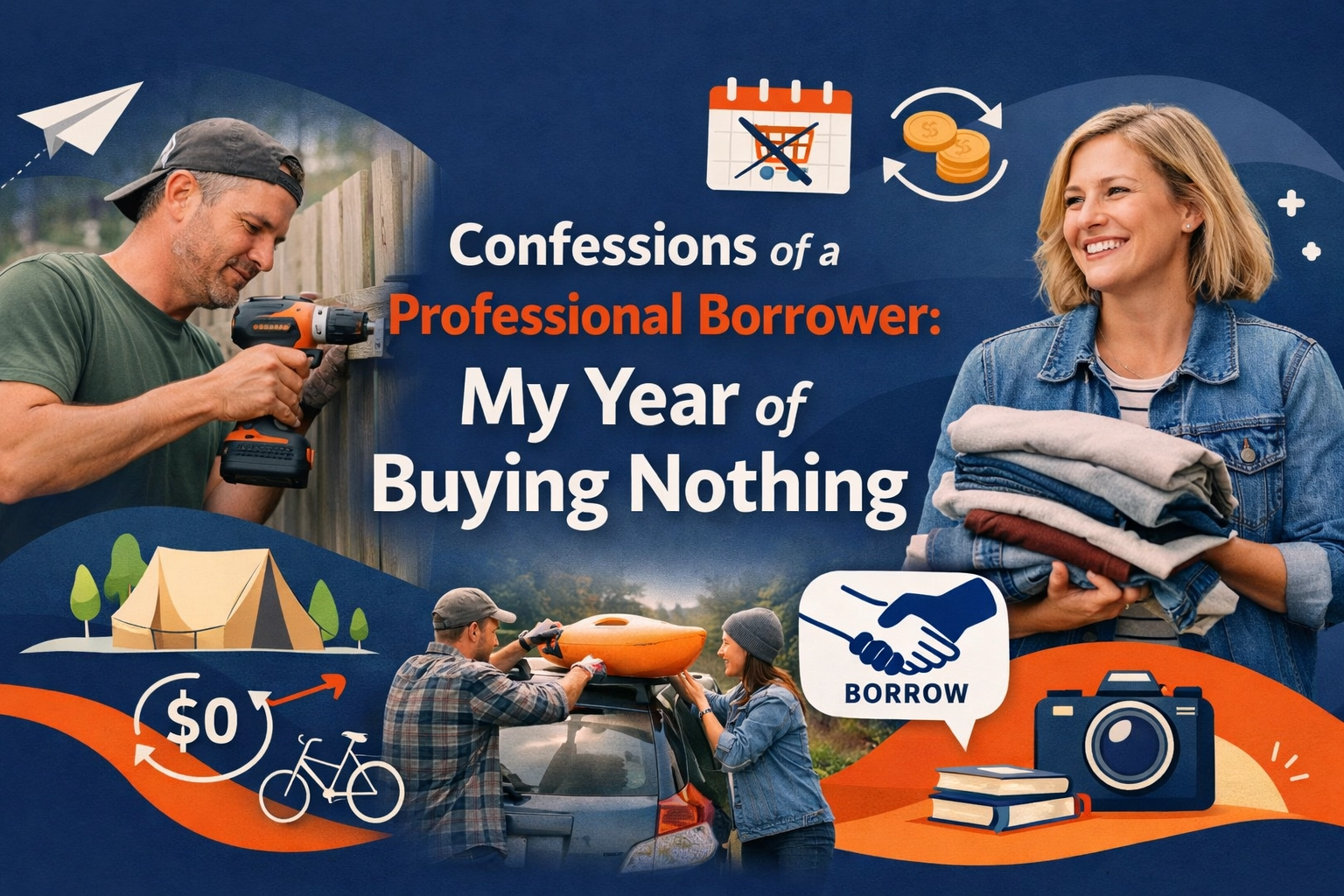
Let me tell you about the day I almost cracked. It was 9 PM on a Tuesday, and I was standing in my kitchen, staring at a half-assembled bookshelf with a dead power drill in my hand. The old battery had finally given up the ghost, and every cell in my body screamed "just go buy a new one." But I couldn't. I'd made a promise to myself: an entire year without buying any new non-consumable items. No exceptions.
Spoiler alert: I didn't buy that drill. Or anything else, for that matter. And what started as a simple budget-cutting exercise turned into the most transformative year of my adult life.
The Challenge: One Year, Zero Purchases
It began innocently enough on January 1st, 2025. Like many people, I was drowning in stuff. My closets were bursting, my garage looked like a poorly organized sporting goods store, and I couldn't remember the last time I'd actually used half of what I owned. Between credit card bills and storage solutions for things I didn't need, I was hemorrhaging money.
So I made a radical decision: For twelve months, I would buy nothing new except consumables (food, toiletries, that kind of thing). Everything else? I'd have to borrow, rent, or do without.
My friends thought I was crazy. My mom worried I'd become "that weird neighbor who asks to borrow everything." And honestly? She wasn't entirely wrong.
Crisis #1: The Great Drill Debacle
Back to that Tuesday night. There I was, bookshelf parts scattered everywhere, guests coming over in three days, and a drill that wouldn't cooperate. In my old life, I would've been on Amazon before the screen could finish loading. But this was the new me.
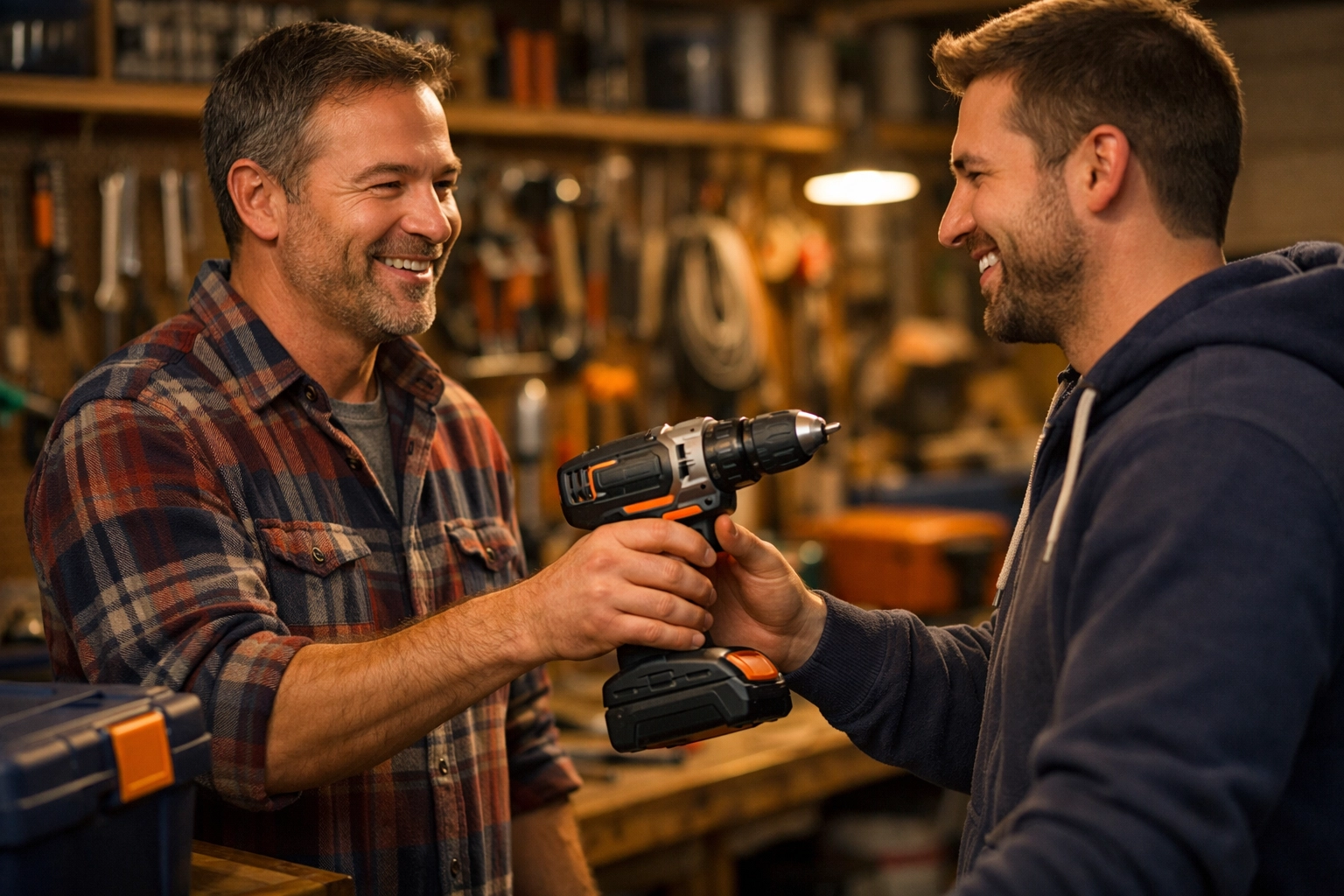
I opened the Chartrflex app with more hope than confidence. Within minutes, I'd found Marcus, a guy three blocks away who had not one, but three power drills. "Take your pick," he said when I showed up at his door twenty minutes later. "The DeWalt is my favorite, but the Makita has better torque."
We ended up talking for forty minutes about home improvement projects, his woodworking hobby, and the disaster that was his own first bookshelf assembly. I left with a drill, a few pro tips, and a standing invitation to borrow his table saw if I ever needed it.
The bookshelf? Looked perfect. The Amazon cart I would've filled with a $120 drill I'd use twice a year? Remained empty.
Crisis #2: The Spontaneous Camping Trip
Three months in, my college roommate called. "Camping trip. This weekend. Shenandoah. You in?"
I was definitely in. I was also definitely not equipped. In my decluttering frenzy, I'd donated my old camping gear: a tent I'd used once in 2019, a sleeping bag that smelled vaguely of mildew, and a camp stove that had more rust than function.
Pre-challenge me would've seen this as the perfect excuse to buy all-new gear. "I'll use it again," I'd have told myself, knowing full well it would sit in my basement for another five years.
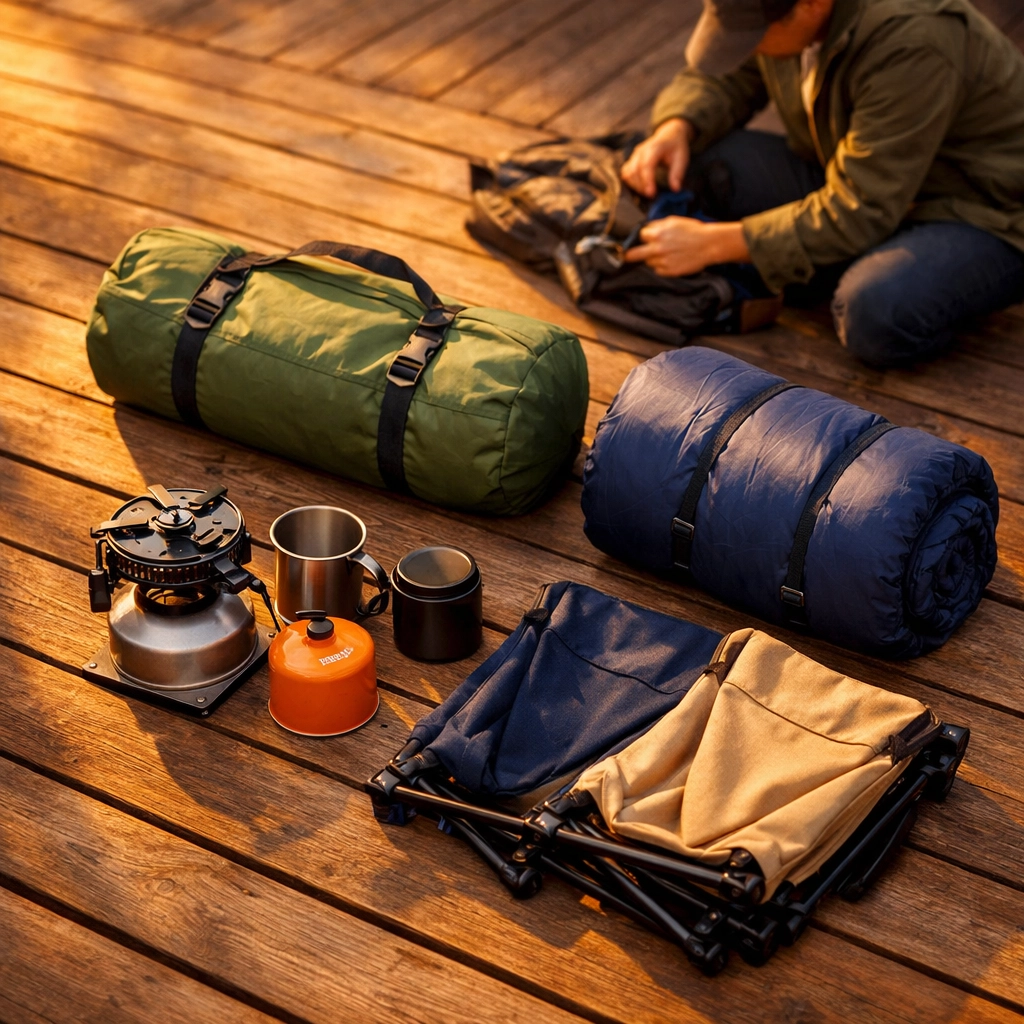
Instead, I went to work on Chartrflex. In one afternoon, I lined up a two-person tent from Sarah (who'd upgraded to a camper van), a sleeping bag from the Johnsons (their son outgrew it), and a camp stove from retired couple who "just liked knowing someone was getting use out of it."
The best part? Each pickup became a mini adventure. Sarah gave me a crash course in tent setup after I admitted I'd only been camping once. The Johnsons threw in some camping chairs ("no charge, we never use them"). And the retired couple, Tom and Linda, shared their favorite camping spots and recipes for campfire meals.
That weekend in Shenandoah was incredible. And I spent $0 on gear I'd use once.
Crisis #3: The Dinner Party Panic
Here's where it got interesting. Six months into my challenge, I decided to host a dinner party. Nothing fancy, just eight people, but my serving dishes were… insufficient. I had plates, sure, but not matching ones. And my largest serving bowl was designed for a family of two, not a dinner party of eight.
I'll admit, I got creative. Through Chartrflex, I borrowed a gorgeous set of serving platters from a woman named Patricia who turned out to be a retired caterer. When I picked them up, she walked me through proper serving techniques and gave me her recipe for the "perfect dinner party roast."
But here's the plot twist: Patricia ended up becoming one of my regular connections. She'd borrow my stand mixer for big baking projects, I'd borrow her formal dinnerware when I needed it. We started meeting for coffee every few weeks. Turns out, sharing stuff is a gateway drug to actual friendship.
The Unexpected Benefits
As the months rolled on, my "borrowing network" expanded in ways I never anticipated. I became that person who always knew who had what. Need a pressure washer? Talk to David on Oak Street. Looking for a projector? Emily three doors down has a great one she barely uses. Ladder? The Martins have a extension ladder they're happy to share.
My neighborhood transformed from a collection of strangers to an actual community. We started a group chat. We organized a tool library. Someone suggested a block party, which turned into a quarterly tradition.
And my wallet? It was celebrating. By month nine, I'd calculated that I'd saved over $3,400 by not buying things I would've convinced myself I needed. That's not counting the storage costs for all the stuff I no longer had cluttering my space.

The Bigger Picture
But the money was almost beside the point. What shocked me most was how much I didn't miss shopping. That dopamine hit of buying something new? It faded fast. The stress of maintaining, storing, and eventually disposing of all that stuff? That stuck around.
Every time I borrowed something through Chartrflex, I got something better than ownership: connection. There's something fundamentally human about the exchange of asking for help and being able to help others in return. It's vulnerability and community wrapped into one.
My carbon footprint shrank dramatically too. The environmental impact of manufacturing, shipping, and eventually disposing of all those single-use items I would've bought? Gone. Instead, I was part of a circular economy where items got used to their fullest potential.
The Things I Learned to Do Without
Not everything worked out perfectly. There were times when I genuinely needed something that I couldn't borrow. A specialized kitchen gadget, a specific type of tool, a particular piece of sports equipment. In those moments, I learned an even more valuable lesson: I could usually do without, improvise, or find an alternative.
That avocado slicer I'd been eyeing? A knife works fine. That fancy exercise equipment? My neighbor's driveway workout sessions (which I joined) were more effective anyway. That organizational system for my closet? I just owned less stuff, so I needed less organization.
Where I Am Now
As I write this in February 2026, my challenge year is officially over. I could go back to buying things. I have permission to click "add to cart" again.
But here's the thing: I don't want to. The year taught me that ownership is overrated and community is undervalued. Why would I buy a kayak I'll use ten times a year when I can borrow one from Jake and save the space, money, and maintenance hassle?
I'm not saying I'll never buy another non-consumable item. But now, before every purchase, I ask myself: Can I borrow it? Can I rent it? Do I really need to own it? And more often than not, the answer is no.
Your Turn
You don't have to go cold turkey like I did. But imagine the freedom of owning less, the richness of knowing your neighbors, and the satisfaction of living more sustainably. It's all possible, one borrowed item at a time.
Ready to start your own borrowing journey? Download the Chartrflex app and discover what your community has to share. Who knows: that drill you need might be three doors down, attached to a neighbor you haven't met yet.
Warm regards,
The Chartrflex Community Team
Have your own borrowing success story? We'd love to hear it. Share your experiences with us on social media or in the app.


Like (0)