

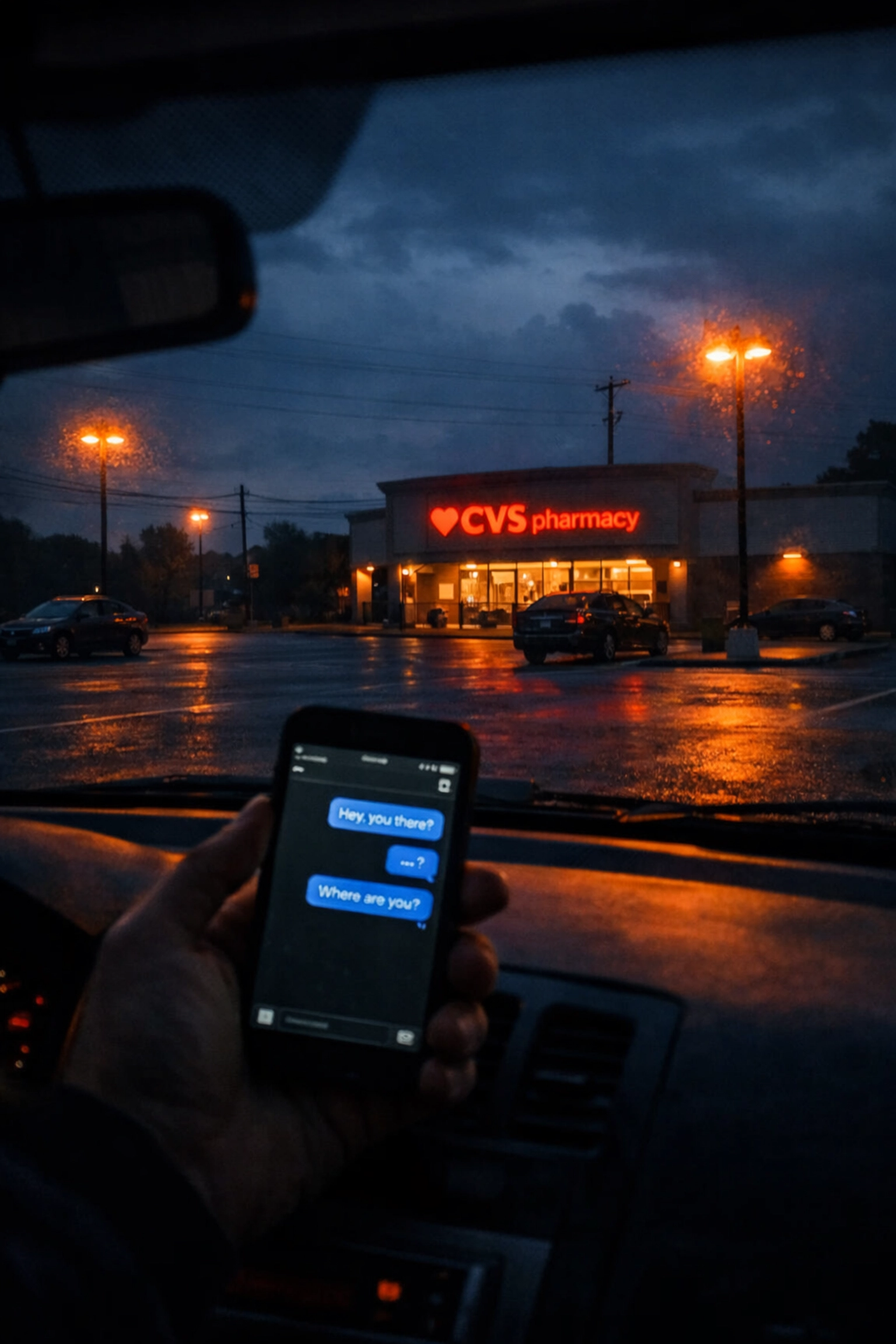
Picture this: It's 7 PM on a Tuesday. You're parked in a dimly lit CVS parking lot, clutching $60 in cash, waiting for "Mike" to show up with the power drill he promised you three hours ago. Your phone buzzes. "Sorry bro, can't make it. Tomorrow?"
You've been ghosted. Again.
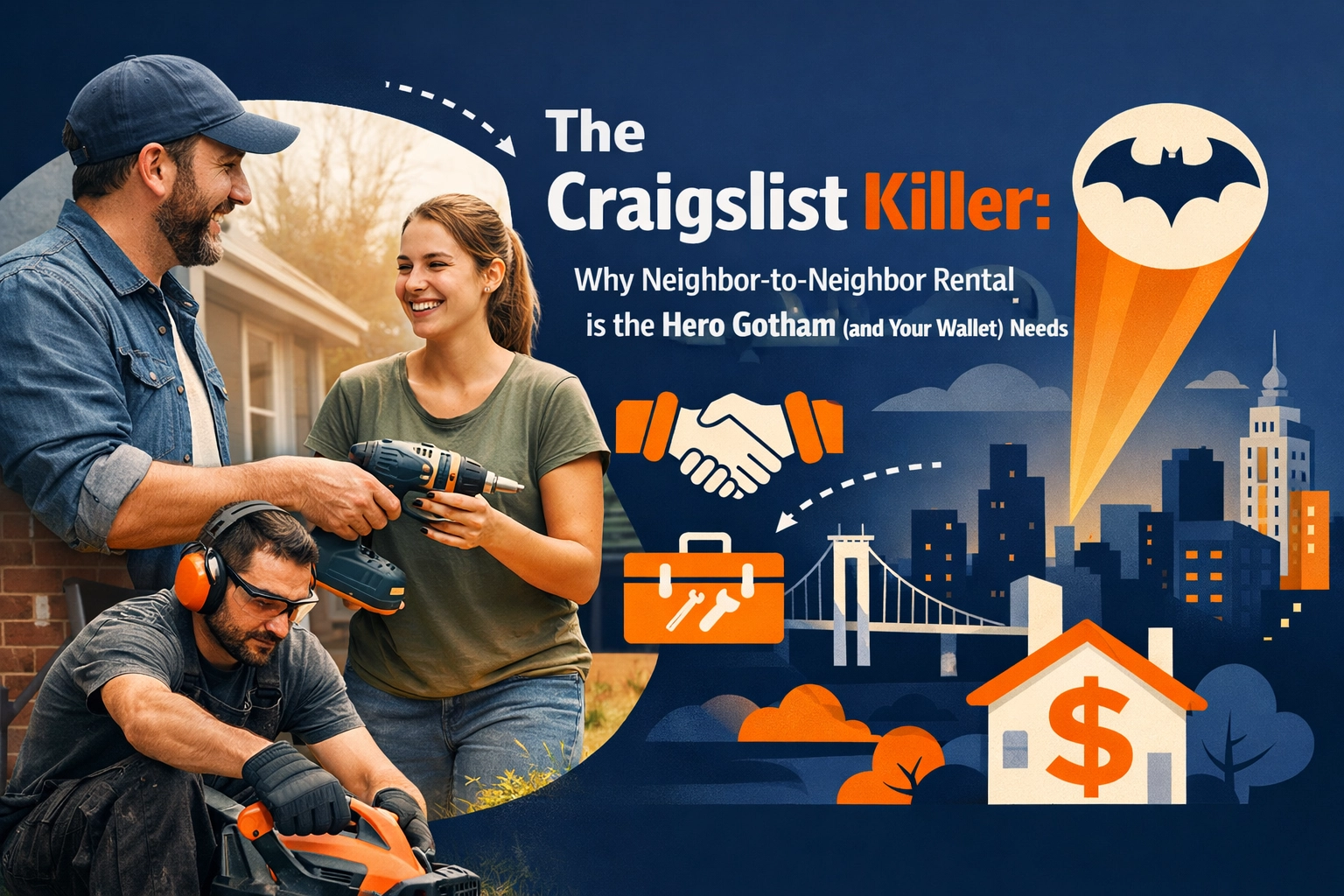
Welcome to the wild west of peer-to-peer marketplaces, where the scammers roam free, the flakes multiply like gremlins, and your time (and sanity) slowly drain away into the digital void. But what if I told you there's a hero in this story? One that doesn't wear a cape, but does save your wallet, your weekends, and maybe even your faith in humanity?
The Dark Knight Rises (And Falls Apart on Craigslist)
Let's talk about the elephant in the parking lot: traditional online marketplaces are broken.
Craigslist and Facebook Marketplace were game-changers in their time, connecting buyers and sellers without the middleman, democratizing commerce, all that good stuff. But somewhere between 2010 and now, they've become the digital equivalent of Gotham City before Batman showed up. Chaotic. Unregulated. Filled with characters you wouldn't want to meet in a dark alley (or a well-lit Target parking lot, for that matter).
The problems are endless:
The Scam Artists: Fake listings with stolen photos. "Send me the money first, I'll ship it." Spoiler alert, they won't.
The Ghosts: People who post items, respond once, then disappear into the ether. Are they okay? Did they get abducted by aliens? You'll never know.
The Hagglers from Hell: "I know you're asking $40, but would you take $8? And can you drive it to me? I'm two hours away."
The Safety Concerns: Meeting strangers. Inviting people to your home. Hoping that "Mike with the drill" isn't actually "Mike with the sketchy vibes."
According to recent studies, nearly 60% of people have encountered fraudulent listings or scams on peer-to-peer marketplaces. That's not just an inconvenience, it's an epidemic. And when you're just trying to borrow a ladder for an afternoon or rent a kayak for the weekend, you shouldn't have to feel like you're auditioning for a true crime podcast.
Why Your Wallet is Crying (And You Should Listen)
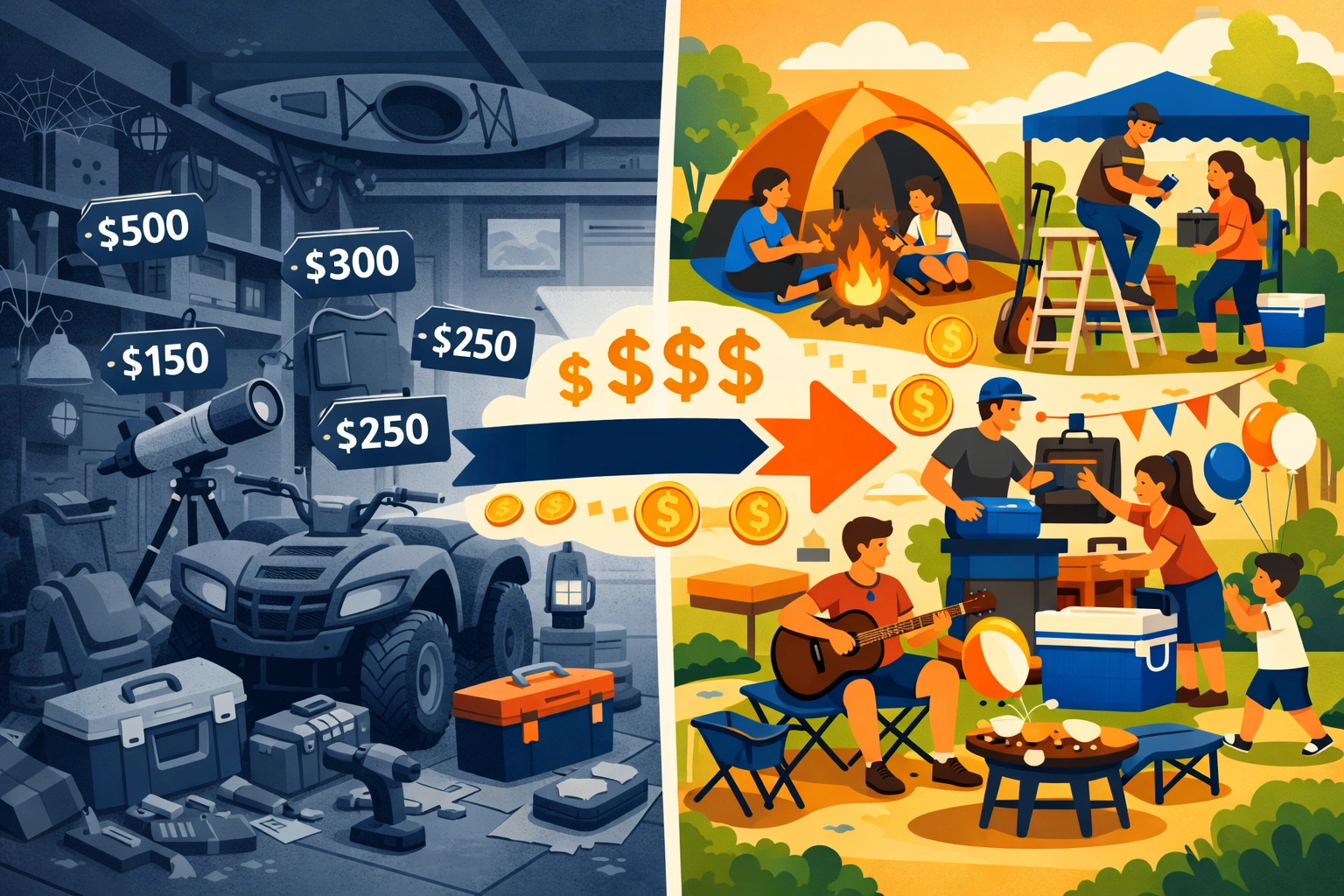
Here's the thing about traditional marketplaces: they've conditioned us to believe that buying is the only option. Need a pressure washer for your deck? Buy one for $200. Use it once. Let it collect dust in your garage for three years. Repeat.
The average American household owns $7,000 worth of unused items. Seven. Thousand. Dollars. That's a vacation. A down payment. A year of fancy coffee. But instead, it's sitting in your basement, judging you.
And let's not even talk about the environmental impact. Fast consumption. Single-use purchases. Landfills overflowing with perfectly good stuff that someone used exactly once before deciding it "wasn't worth the storage space."
The rental economy was supposed to fix this. And in many ways, it has, Airbnb for homes, Zipcar for vehicles, Rent the Runway for fashion. But what about the everyday stuff? The camping gear. The party supplies. The power tools. The inflatable bouncy castle your kid is convinced they need for their birthday (they do).
That's where the traditional marketplaces drop the ball. They're built for transactions, not relationships. For one-time deals, not community trust. And definitely not for the peace of mind that comes from knowing your neighbor Jessica has your back (and your folding tables).
Enter the Hero: Neighbor-to-Neighbor Rental
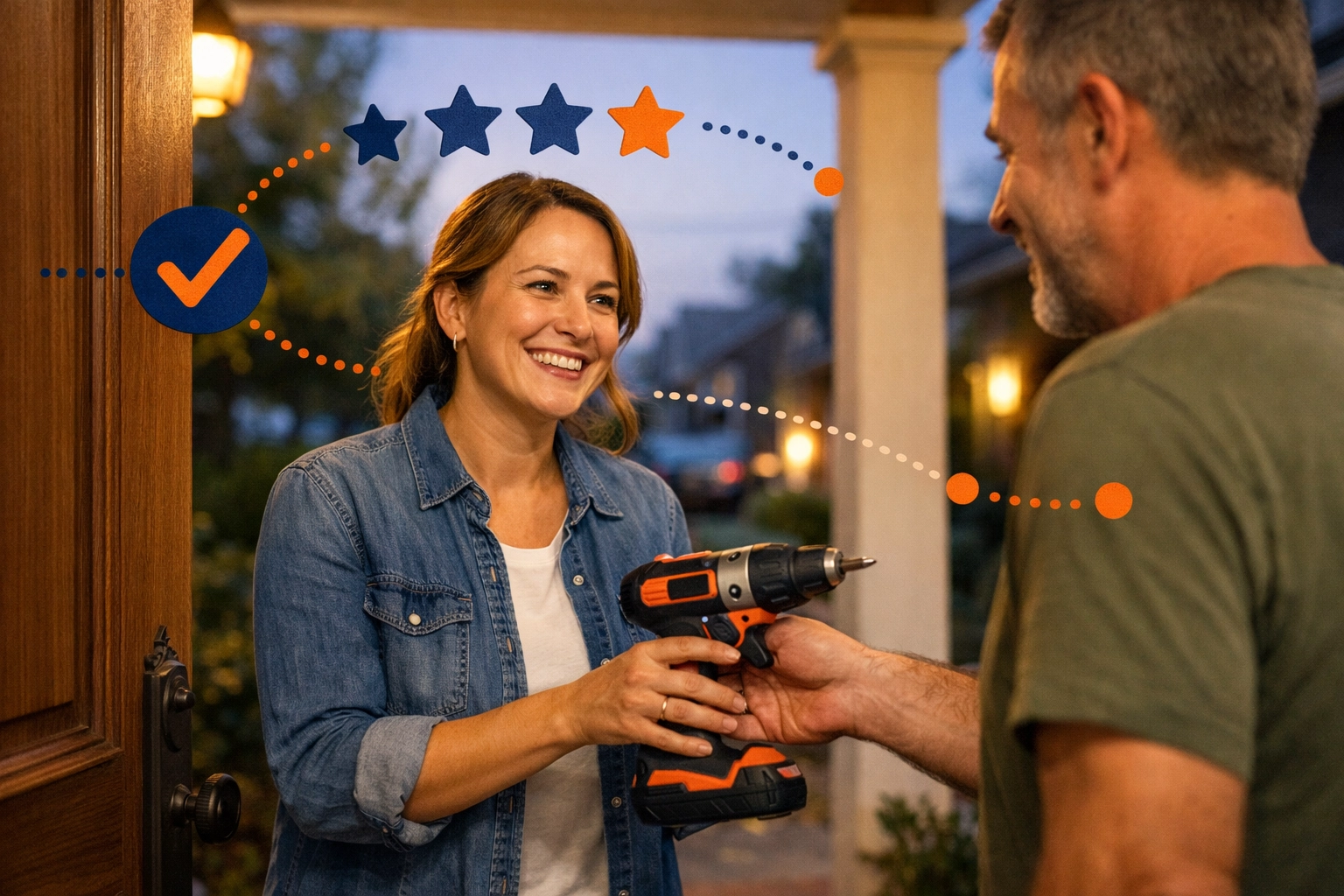
Imagine a different scenario. Same Tuesday evening, but this time you're on your couch in sweatpants. You open an app, search "power drill near me," and boom, three neighbors within a mile have exactly what you need. You check their profiles. Real people. Real reviews. Real photos of the actual drill, not some stock image from 2003.
You tap "Rent," schedule a pickup time, and by 7:30 PM, you're at Sarah's house two blocks away. She hands you the drill, you chat about the weather and that new taco place on Main Street, and you're back home by 7:45. Total cost? $8. Total awkwardness? Zero. Total faith in humanity? Restored.
This is the promise of neighbor-to-neighbor rental platforms like Chartrflex. Not just a marketplace, but a community. Not just transactions, but connections. Not just saving money, but building a better, more sustainable way to access the things we need.
The Chartrflex Difference: Safety, Trust, and Zero Parking Lot Drama
Let's break down why neighbor-to-neighbor rental is the hero your wallet (and your calendar) deserves:
1. Built-In Trust & Safety
Unlike the lawless frontier of Craigslist, platforms like Chartrflex come with verification, reviews, and secure payment processing. You're not handing cash to a stranger named "TheDrillGuy87." You're renting from Mike, the teacher from two streets over who has a five-star rating and seventeen glowing reviews.
Every transaction is tracked. Every item is insured. Every interaction happens within a framework designed to protect both renters and lenders. It's the difference between meeting someone in a sketchy parking lot and meeting someone at a neighborhood block party.
2. Your Neighborhood is Your Catalog
Forget scrolling through endless listings from people 45 minutes away. With neighbor-to-neighbor rental, your community becomes your inventory. The kayak you need for Saturday? It's three doors down. The projector for movie night? Your upstairs neighbor has one gathering dust.
This hyper-local approach doesn't just save time, it builds connections. You're not just renting a leaf blower; you're meeting Janet, who's lived on your street for twenty years and makes incredible lemon bars. (True story. Janet exists in every neighborhood.)
3. Renters Save. Listers Earn. Everyone Wins.
For renters, the math is simple: why spend $150 on a carpet cleaner you'll use once a year when you can rent it for $15? Over time, those savings add up to hundreds, even thousands, of dollars.
For listers, it's equally compelling. That camping gear taking up space in your garage? List it on Chartrflex and turn it into passive income. Your stuff works for you, even when you're not using it. It's like having a side hustle that requires zero effort beyond saying "yes" when someone wants to borrow your cooler.
4. Sustainability Without the Lecture
Let's be real: most of us want to be more sustainable, but we don't want to be lectured about it. Neighbor-to-neighbor rental makes eco-friendly choices effortless. You're not sharing because you're trying to save the planet (though you are). You're sharing because it's cheaper, easier, and more convenient.
Fewer purchases mean less manufacturing. Less waste. Less clutter. It's environmentally conscious consumption that doesn't require a lifestyle overhaul: just a mindset shift from "I need to own this" to "I need to use this."
The Community Effect: More Than Just Stuff
Here's where the story gets really good. Because Chartrflex isn't just about renting things: it's about rebuilding community connections in a world where we barely know our neighbors' names.
Think about it: when was the last time you had a real conversation with someone who lives on your street? Not a wave from the driveway, but an actual conversation? For most of us, it's been a while.
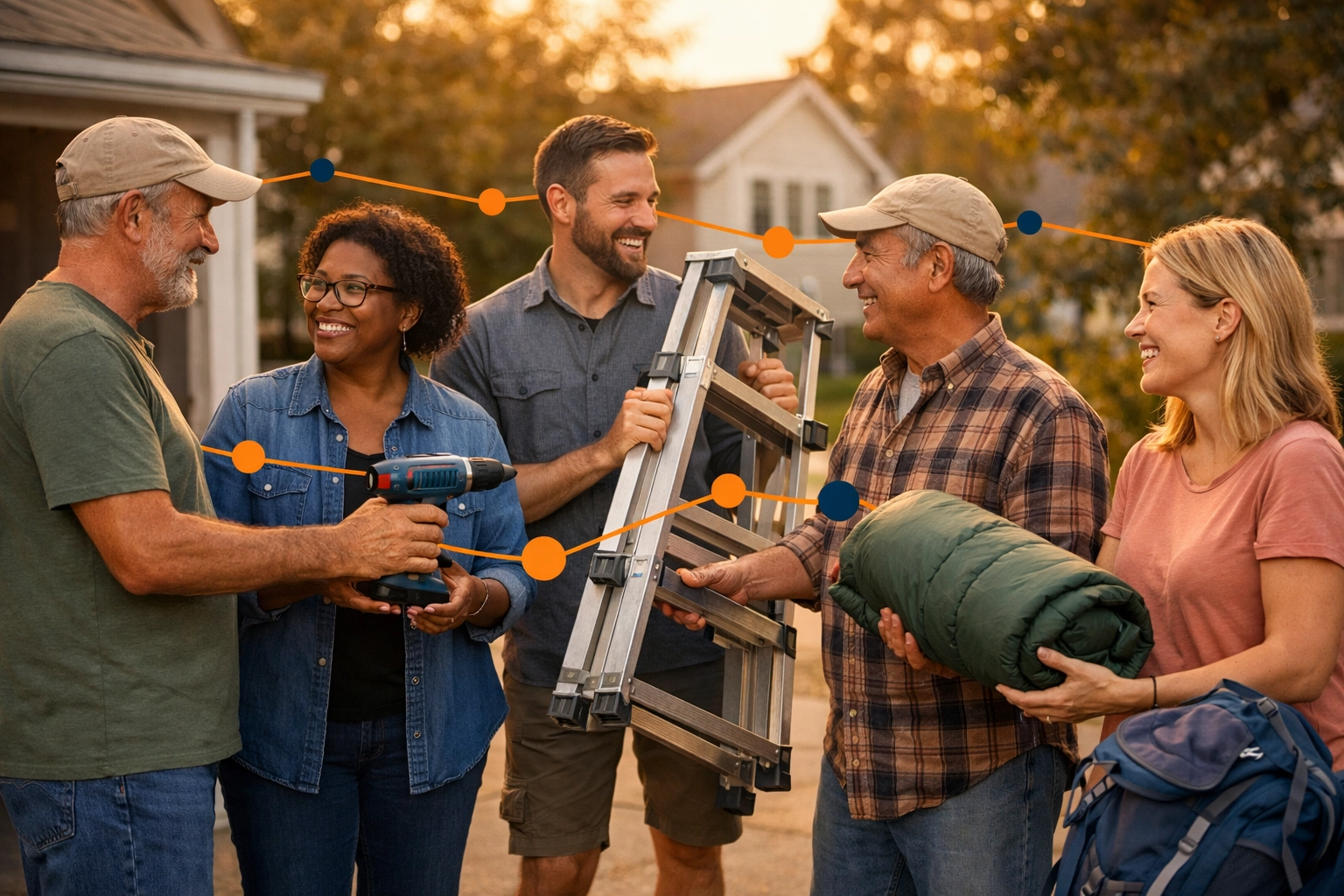
Neighbor-to-neighbor rental creates organic opportunities for connection. You drop off a borrowed tent and end up chatting about hiking trails. You pick up party supplies and discover your neighbor's kid goes to the same school as yours. These micro-interactions might seem small, but they're the foundation of strong, resilient communities.
And in an era where loneliness is at an all-time high and social media has left us more disconnected than ever, that matters. A lot.
Your Move, Gotham
So here we are. You can keep playing Russian roulette with Craigslist, hoping this time "Mike" will actually show up. You can keep buying things you'll use once and storing them until they become someone else's problem. You can keep pretending that parking lot meetups are a totally normal way to conduct business.
Or you can embrace the hero your wallet's been waiting for.
Neighbor-to-neighbor rental isn't just a trend: it's a paradigm shift. A recognition that the old ways aren't working, and that maybe, just maybe, the solution isn't more apps or more algorithms. It's more community. More trust. More neighbors helping neighbors.
Download the Chartrflex app today and discover what's hiding in garages, closets, and basements all around you. Whether you're looking to save money, earn passive income, or just meet the people who live on your street, Chartrflex makes it effortless.
Because at the end of the day, the real villain isn't Craigslist. It's a culture that convinced us we need to own everything and that strangers are safer than neighbors. And the real hero? That's you: choosing connection over consumption, community over commerce, and neighbors over nobody.
Welcome to the sharing economy, Gotham. Your utility belt just got a whole lot lighter.
Warm regards,
The Chartrflex Team
Ready to join the movement? Download Chartrflex and start renting (or listing!) today. Your neighborhood is full of hidden treasures; and it's time to unlock them.


Like (0)