


Dear Chartrflex Community,
As we gear up for 2026, we're committed to helping you make smarter, more sustainable decisions about the equipment you need for your upcoming projects. Whether you're planning spring landscaping, winter snow removal, or those long-awaited home improvement projects, the rent-versus-buy decision can make or break your budget and storage space.
Let's dive into the data and real-world scenarios that'll help you win at equipment decisions this year.
The Magic Numbers: When to Rent vs When to Buy
Here's the game-changing insight most people don't know: if you'll use equipment less than 20 days per year, renting almost always wins. On the flip side, if you're looking at 50+ days of annual use, buying typically becomes the smarter financial move.
The sweet spot? That critical 60-70% annual utilization threshold where the math flips. Below this point, you're essentially paying for equipment to sit unused in your garage, basement, or shed for most of the year.
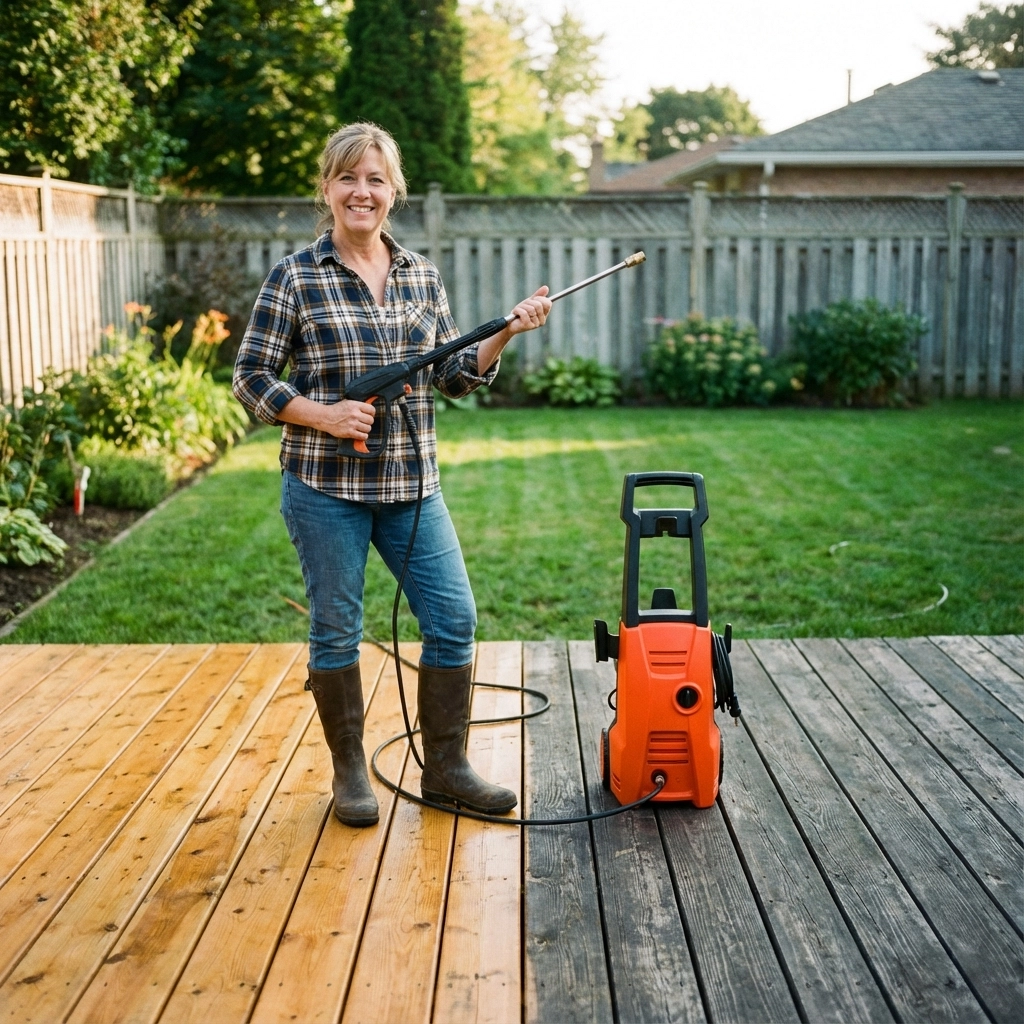
Let me paint you a picture: Sarah from Portland needed a pressure washer for her annual deck cleaning and occasional driveway maintenance. Instead of dropping $500 on a unit she'd use maybe 4 times per year, she rents one for $50 each time. That's $200 annually versus a $500 upfront investment plus storage headaches and maintenance costs.
Breaking Down Your 2026 Project Categories
Spring Landscaping Equipment
Planning to tackle that overgrown yard this spring? Here's where most homeowners get it wrong. They buy a $400-800 quality mower for a property that needs weekly attention only during growing season: roughly 6-8 months depending on your location.
Rent if: You have a small to medium property, inconsistent maintenance schedule, or limited storage space.
Buy if: You have a large property requiring weekly mowing, enjoy lawn care as a hobby, or have adequate storage with easy access.
The storage factor is huge here. Quality equipment needs protection from elements, regular maintenance, and seasonal preparation. When you rent, someone else handles all of that complexity.
Winter Equipment Decisions
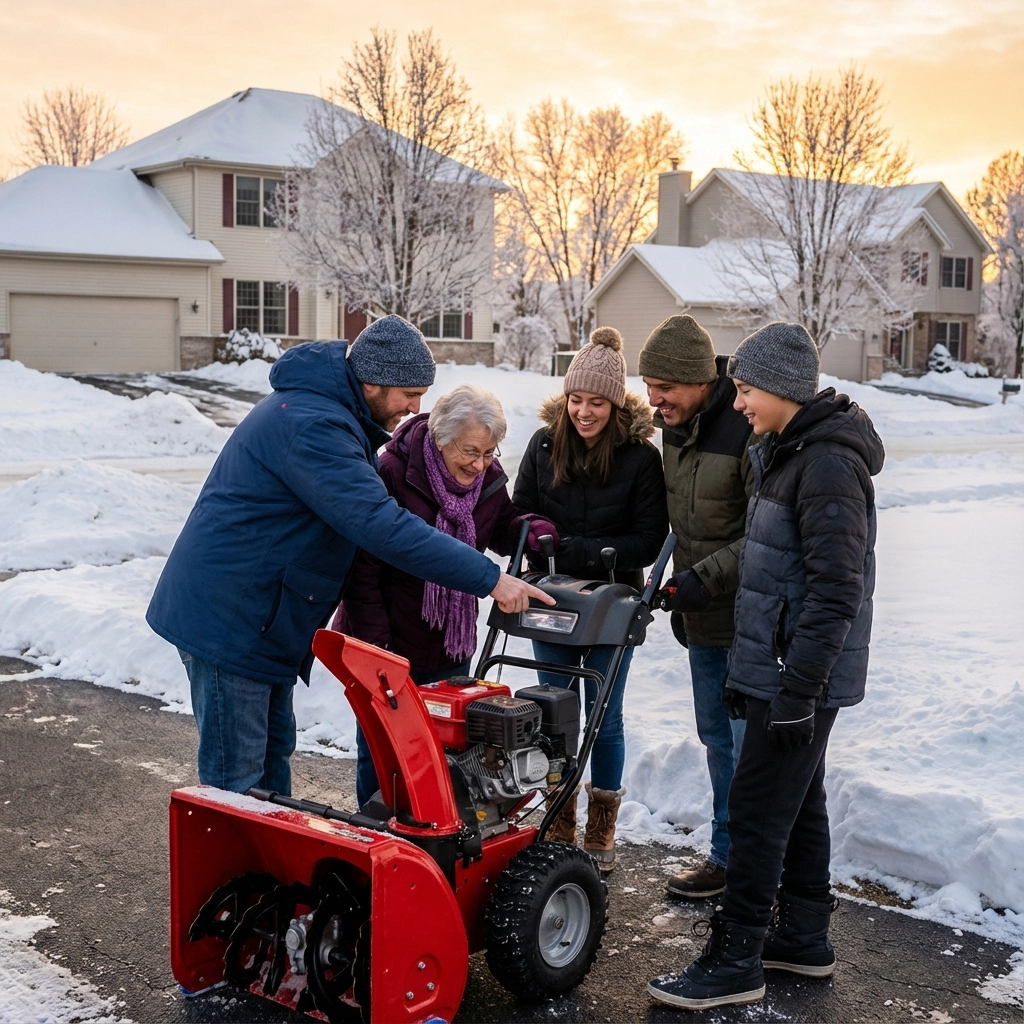
This is where seasonal variability really matters. If you live in Buffalo, owning a snow blower might make perfect sense. But if you're in Nashville where significant snow happens maybe once every few years? You'd be paying premium prices for equipment that could sit unused for entire seasons.
Smart rental approach: Check historical weather data for your area over the past 5 years. How many days annually would you actually need that equipment?
Home Improvement Power Tools
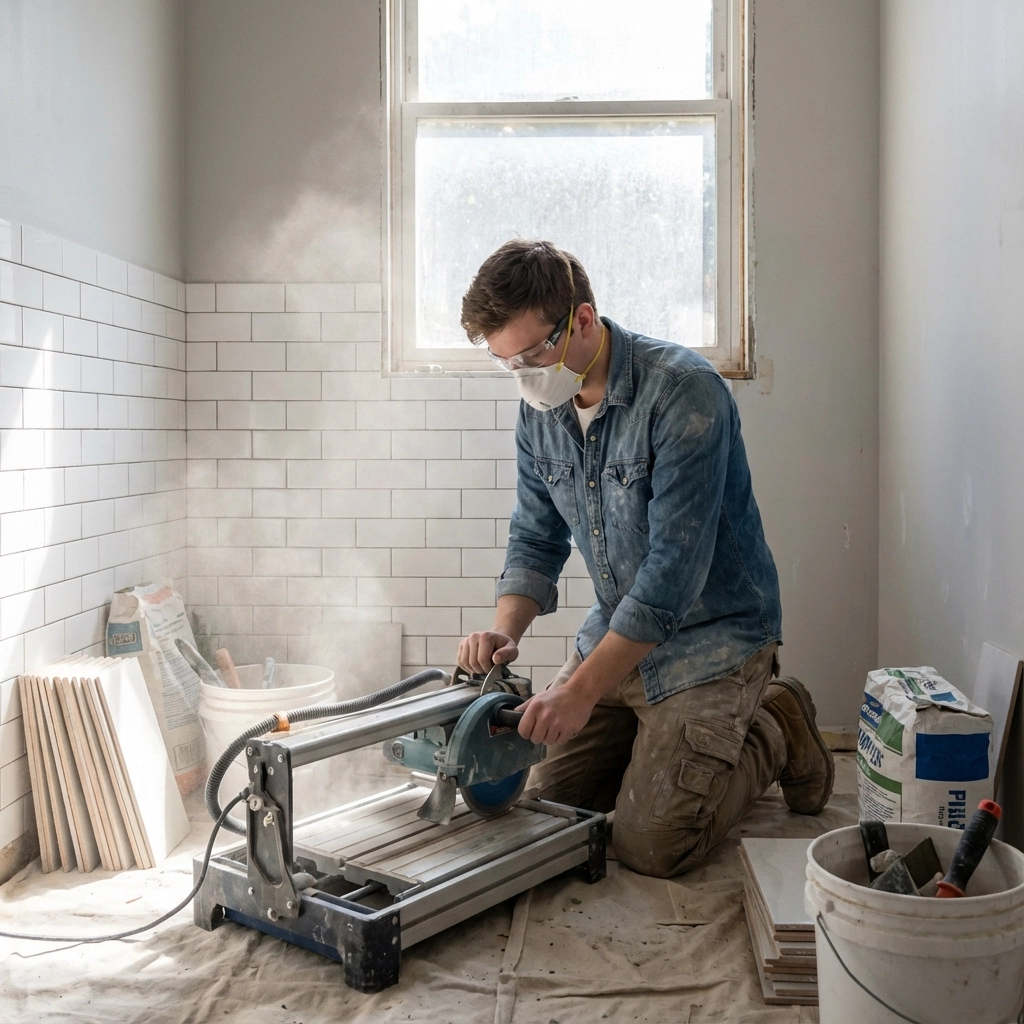
Here's where the rent-versus-buy decision gets really interesting. That tile saw for your bathroom renovation project? You might use it for 2-3 days max. Even a high-quality tile saw rental at $40/day costs you under $150 total, while purchasing runs $300-600 plus the ongoing storage burden.
Same logic applies to:
- Power washers for annual cleaning
- Carpet cleaners for occasional deep cleaning
- Specialized drilling equipment for specific projects
- Paint sprayers for periodic touch-ups
The Hidden Costs of Ownership
When people calculate buy-versus-rent, they often miss the true total cost of ownership. Let's break down what buying really costs:
Upfront Investment: The sticker price is just the beginning. Quality seasonal equipment requires significant capital outlay that ties up money you could invest elsewhere.
Storage Solutions: Where exactly will you keep that snowblower in July? Or that lawn mower in your already-crowded garage? Many people end up paying for additional storage or dealing with cluttered living spaces.
Maintenance and Repairs: Seasonal equipment needs regular maintenance, unexpected repairs, and replacement parts. Oil changes, tune-ups, blade sharpening, winterization: these costs add up quickly over the equipment's lifespan.
Depreciation: Unlike vehicles, most seasonal equipment doesn't hold value well. That $800 mower might be worth $200 after 5 years of use and storage.
When Ownership Actually Makes Sense
Don't get me wrong: there are absolutely scenarios where buying wins big:
Frequent Use: If you're using equipment regularly throughout its season (think weekly lawn mowing or frequent DIY projects), ownership often becomes more economical after year two.
Business Operations: For contractors, landscapers, or anyone using equipment professionally, ownership provides reliability, immediate availability, and potential tax advantages through depreciation deductions.
Remote Locations: If you live where rental availability is limited or delivery costs are prohibitive, ownership might be your only practical option.
Reliability Needs: Some projects can't wait for rental availability. If equipment failure or unavailability would cause significant problems, ownership provides peace of mind.
The 2026 Rental Revolution
This year brings exciting changes to the equipment rental landscape. Technology improvements mean rental equipment is typically newer, more efficient, and better-maintained than what most individuals could afford to purchase.
Many rental companies now offer:
- Same-day delivery and pickup
- Flexible rental periods (hourly, daily, weekly, seasonal)
- Maintenance-included agreements
- Damage protection plans
Plus, the sharing economy has exploded options for peer-to-peer rentals through platforms like Chartrflex, where you can rent from neighbors who own quality equipment but don't use it constantly.

Making Smart Decisions for Your Specific Situation
Here's your practical decision framework for 2026:
Step 1: Calculate realistic annual usage days. Be honest: not optimistic.
Step 2: Research total ownership costs including storage, maintenance, and depreciation.
Step 3: Compare against rental costs for your actual usage pattern.
Step 4: Factor in convenience, storage limitations, and cash flow preferences.
Step 5: Consider hybrid approaches: rent for the first year while you determine actual usage patterns.
For camping and outdoor gear, this approach is particularly valuable. High-quality camping equipment is expensive and space-consuming. Unless you're hitting the trails every weekend, renting gives you access to premium gear without long-term commitment or storage challenges.
The Environmental Angle
Choosing rentals over individual ownership also supports sustainability goals many of us have for 2026. Shared equipment means fewer manufacturing resources, less waste from unused equipment, and more efficient utilization of existing tools.
When one high-quality mower serves 10 neighbors through rental sharing instead of each buying their own, we collectively reduce environmental impact while saving money and storage space.

Your 2026 Action Plan
Ready to make smarter equipment decisions this year? Start by listing your planned projects and honestly estimating usage frequency. For anything under 20 days annually, seriously consider rental options.
Check out local rental availability, compare costs, and don't forget to factor in delivery options that make rentals even more convenient than ownership.
Whether you're planning major landscaping projects, seasonal maintenance, or that home improvement you've been putting off, the rent-versus-buy decision doesn't have to be complicated. Focus on actual usage, true total costs, and what makes sense for your specific situation.
What seasonal projects are you planning for 2026? Have you calculated whether renting or buying makes more sense for your situation? Join the conversation and share your experiences: your insights might help fellow community members make better decisions.
Let's make 2026 the year we all get smarter about equipment decisions!
Warm regards,
The Chartrflex Team
Ready to explore rental options for your 2026 projects? Connect with local equipment owners and discover how community sharing can save you money while reducing storage headaches.


Like (0)