


Dear Chartrflex Community,
We're delighted to share valuable insights that can transform how your neighborhood approaches sustainability. At Chartrflex, we believe that meaningful environmental change happens when communities come together to share resources and reduce waste. Today's post offers 15 practical strategies that any community can implement to create lasting environmental impact while strengthening neighborhood bonds.
The sharing economy isn't just about convenience: it's about reimagining how we use resources and building a more sustainable future together. Let's explore how your community can lead the way in waste reduction through the power of sharing.
1. Organize Community Clean-Up Days
Transform neighborhood maintenance into community celebration by hosting regular clean-up events. These gatherings bring neighbors together to tackle local parks, streets, and shared spaces while sorting collected waste into appropriate categories: trash, recyclables, and compostables. The immediate visual impact creates powerful motivation while building awareness about local waste patterns and solutions.
2. Launch Tool and Equipment Sharing Networks
Why should every household own a power drill that's used twice a year? Create neighborhood tool libraries or sharing groups where residents can borrow and lend equipment. This significantly reduces individual purchasing while ensuring tools get proper use. From lawn mowers to party supplies, shared access eliminates redundant ownership and storage challenges.
3. Establish Community Composting Programs
Food scraps and yard waste represent nearly 30% of household garbage, yet these organic materials can become valuable compost instead of methane-producing landfill waste. Set up community drop-off locations at local cafés, libraries, or parks where residents contribute food scraps that are transformed into nutrient-rich soil amendments for local gardens and farms.

4. Host Clothing and Household Swap Events
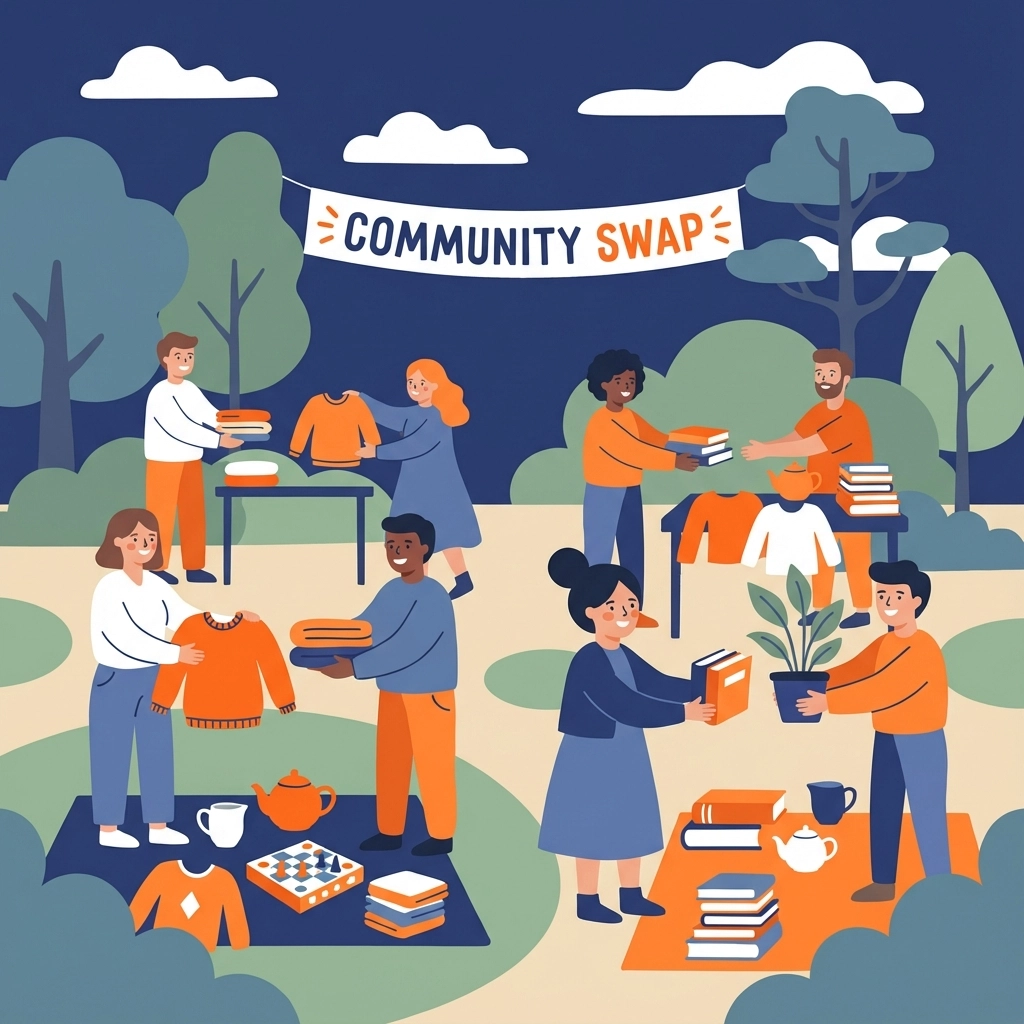
Organize quarterly swap meets where community members exchange clothing, books, household items, and children's toys. These events give belongings a second life while reducing consumption and landfill contributions. Create themed events like "Kids' Gear Exchange" or "Professional Wardrobe Swap" to target specific needs and increase participation.
5. Create Strategic Recycling Stations
Make sustainable choices effortless by placing clearly labeled recycling bins in parks, community centers, schools, and high-traffic areas. Use visual guides showing accepted materials to reduce contamination and confusion. Strategic placement combined with clear instructions dramatically increases proper recycling rates throughout the community.
6. Facilitate Skill-Sharing Repair Workshops
Host regular repair cafes and upcycling workshops where community members learn to fix and repurpose items instead of discarding them. These hands-on sessions teach valuable skills like basic electronics repair, clothing alterations, and furniture restoration while keeping materials out of landfills and fostering creative problem-solving.
7. Develop Material Exchange Networks
Create online groups or bulletin boards dedicated to sharing and exchanging materials for DIY projects and crafts. When someone finishes a renovation, their leftover supplies become another's project materials. This circular approach reduces waste while enabling creative projects that might otherwise require new purchases.
8. Organize Seed and Plant Exchanges
Transform gardening into a community activity through regular seed and plant swaps. These events allow gardeners to diversify their gardens without purchasing new supplies wrapped in plastic packaging. Sharing heritage seeds, plant cuttings, and gardening knowledge builds food security while reducing retail consumption.
9. Establish Community Gardens
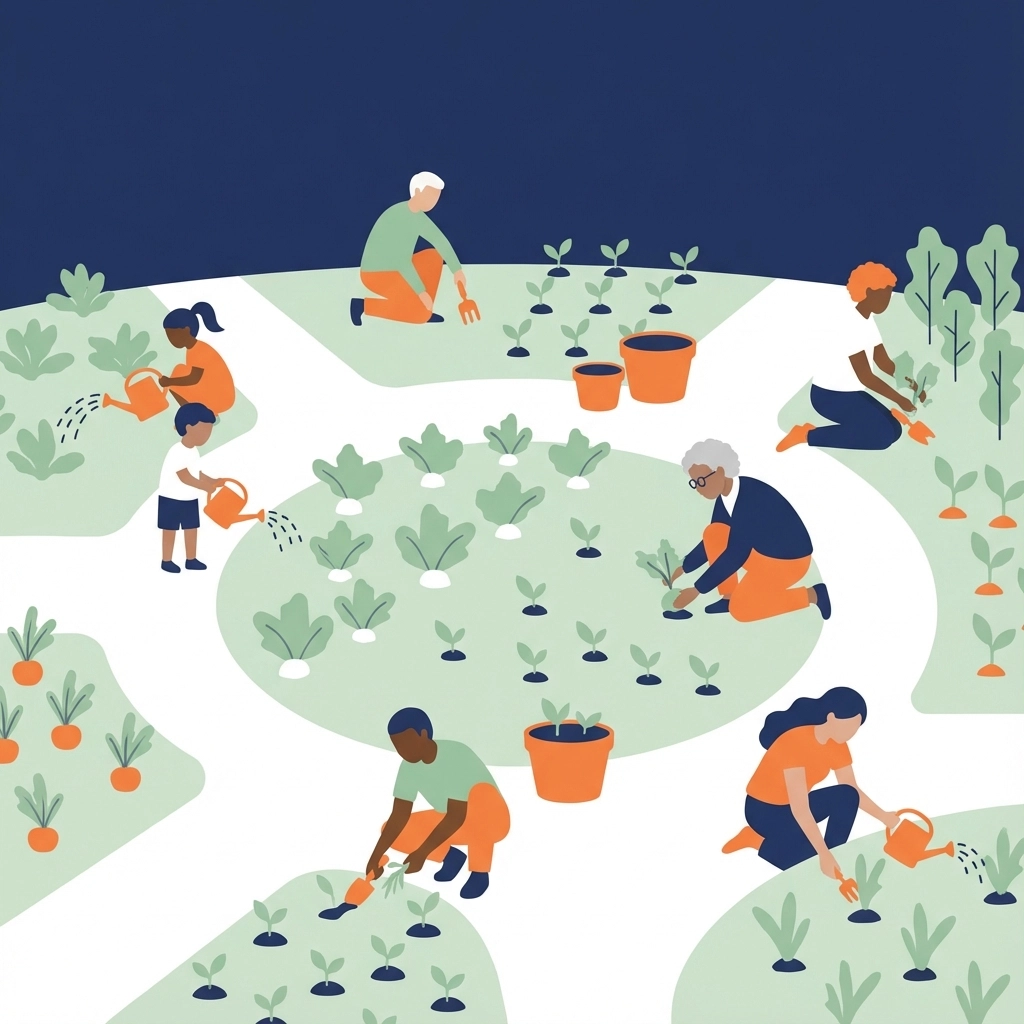
Local food production addresses multiple sustainability goals simultaneously. Community gardens provide fresh produce while reducing plastic waste from grocery shopping and carbon emissions from food transportation. Shared gardening spaces also create opportunities for knowledge exchange and intergenerational learning about sustainable growing practices.
10. Launch Single-Use Plastic Reduction Campaigns
Partner with local businesses to minimize single-use plastic consumption through incentive programs for reusable containers, bottles, and bags. Support bulk refill shops and farmers markets that offer package-free alternatives. Community-wide commitments to plastic reduction create market demand that encourages sustainable business practices.
11. Coordinate with Professional Recycling Services
Establish formal partnerships with certified recycling facilities that can properly handle complex waste streams including electronics, batteries, and specialized materials. Residential communities that collaborate with professional recyclers significantly increase their diversion rates while ensuring hazardous materials receive appropriate treatment.
12. Implement Community Waste Challenges
Create friendly competition between households or buildings with programs like "Zero-Waste Champions" or "The Greenest Block." Track progress through simple metrics and offer meaningful incentives such as community recognition, local business discounts, or gardening supplies. Gamification increases participation while building lasting behavior changes.
13. Schedule E-Waste Collection Drives
Organize monthly collection events for electronic waste, which requires specialized handling to prevent environmental contamination. Partner with certified e-waste processors to ensure proper disposal of computers, phones, batteries, and small appliances. Convenient scheduling and clear communication maximizes participation in these crucial collection efforts.
14. Share Success Stories and Tips Online
Amplify your community's impact by documenting and sharing waste reduction successes on social media and neighborhood platforms. Post photos of successful swaps, composting results, and creative upcycling projects. These stories inspire broader participation while connecting your community with similar efforts in neighboring areas.
15. Develop Ongoing Education Initiatives
Implement continuous awareness campaigns through informational workshops, demonstration events, and accessible educational materials. Focus on practical skills like proper waste segregation, composting techniques, and repair basics. Regular education keeps sustainability practices at the forefront of community consciousness and welcomes new residents into established programs.
Building Lasting Change Together
Effective community waste reduction thrives on active participation and shared responsibility. When residents view environmental stewardship as a collective opportunity rather than an individual burden, participation flourishes and impact multiplies. These strategies work best when implemented gradually, allowing community members to build confidence and establish sustainable routines.
The beauty of community sharing lies in its ability to address multiple challenges simultaneously: environmental impact, social connection, and economic efficiency. By working together, we can significantly reduce waste footprints while inspiring neighboring communities and organizations to adopt similar practices.
We're excited to see how your community implements these strategies and would love to hear about your successes and challenges. Share your experiences with us at Chartrflex and help inspire other communities to embrace sustainable sharing practices.
Together, we're building a more sustainable and connected world, one shared resource at a time.
Warm regards,
The Chartrflex Team


Like (0)